Family & Cosmetic Dentistry in Doral, Florida
Gentle, Clear, Bilingual Care
Modern technology, step-by-step explanations, and a calm dental experience designed for the whole family.
Why Patients Choose Doral Family Dental in Doral, FL
At Doral Family Dental, we provide gentle, personalized care for the whole family. Our bilingual team combines modern technology with clear explanations to make every visit comfortable, simple, and stress-free.
Experienced & Bilingual Dental Team
Modern Technology & Gentle Care
Same-Day Emergency Appointments

5000+
Smiles Transformed
25+
Years Combined Experience
10K
Happy Patients
100%
Bilingual Team
Complete Family & Cosmetic Dental Services in Doral
From preventive care to advanced cosmetic and restorative treatments,
Doral Family Dental provides complete dental solutions for patients ages 12 and up
all in one convenient location.
Family & Preventive Dentistry
Routine cleanings, exams, digital X-rays, and preventive care designed to keep your smile healthy at every stage.
Cosmetic Dentistry
Veneers, teeth whitening, bonding, and smile makeovers to help you look and feel your best.
Dental Implants
Permanent solutions for missing teeth, including single implants and full-arch restorations like All-on-4
Restorative Dentistry
Natural-looking fillings, crowns, bridges, and treatments to restore strength and function to damaged teeth.

Orthodontics
Traditional braces and clear aligners to straighten your teeth and improve bite alignment.
Endodontics
(Root Canals)
Gentle root canal treatments designed to relieve pain and save natural teeth.

Periodontal Care
Deep cleanings and gum treatments to protect your oral health and prevent gum disease.

Emergency Dentistry
Same-day appointments for dental pain, infections, swelling, or urgent situations.
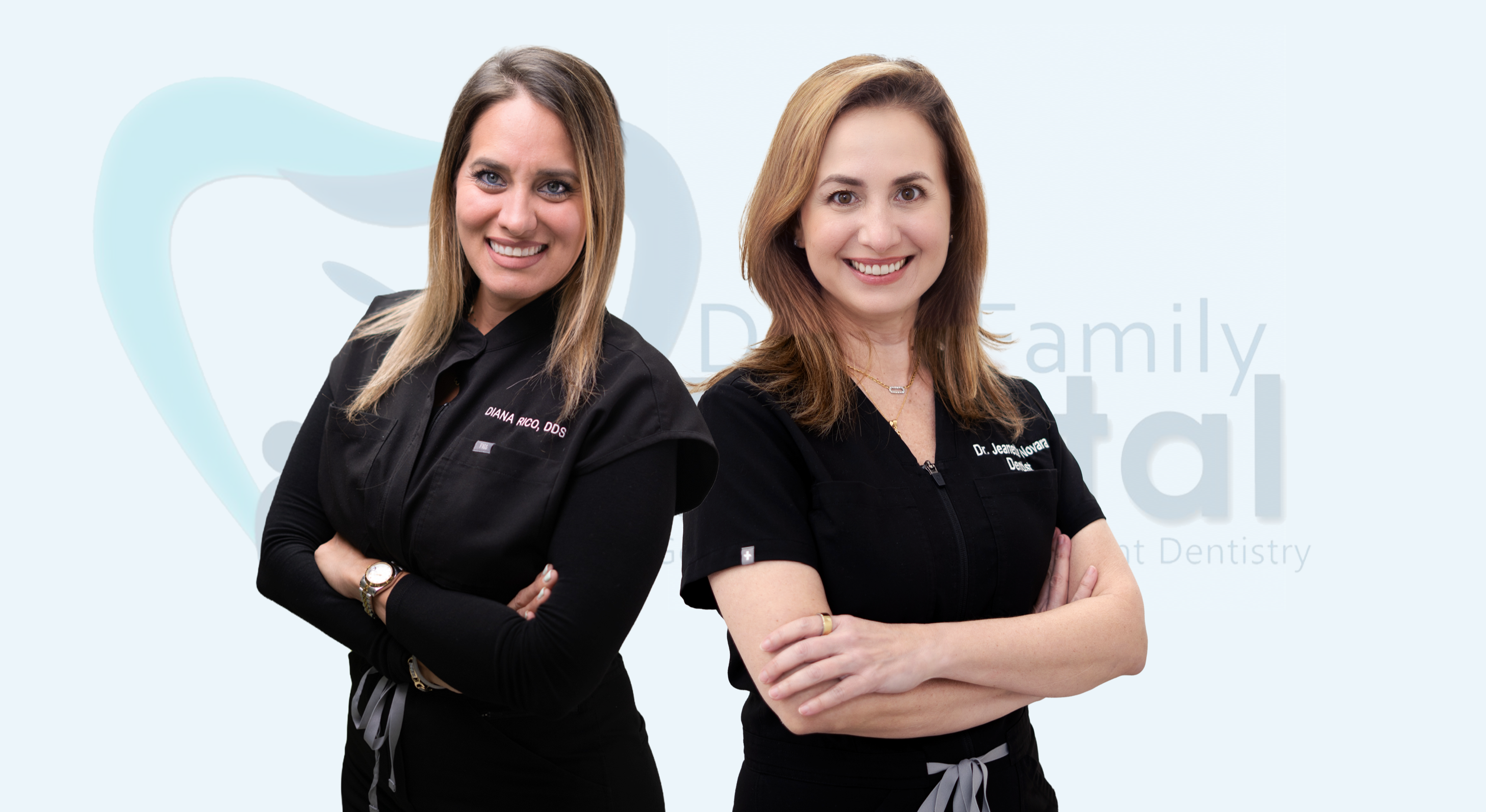
Request Your Appointment Today
Fill out the form below and our team will contact you to confirm your appointment.
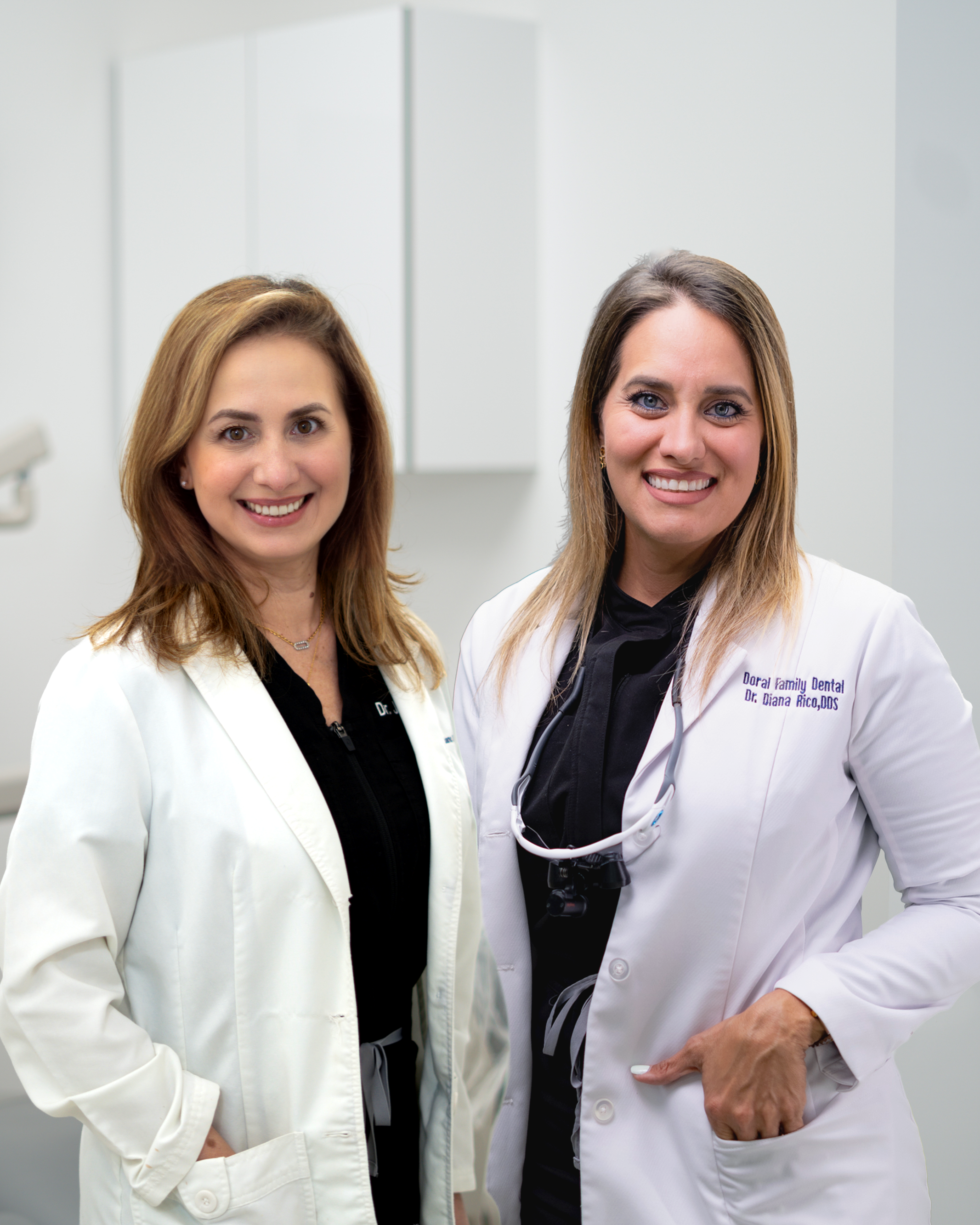
25+
Years of Experience
Trusted Dental Care for Families in Doral, Florida
Our mission is simple: to provide honest, personalized dental care that helps patients feel comfortable and confident. From routine cleanings to smile makeovers, our team is here to guide you every step of the way.
Meet Our Experienced Dental Team
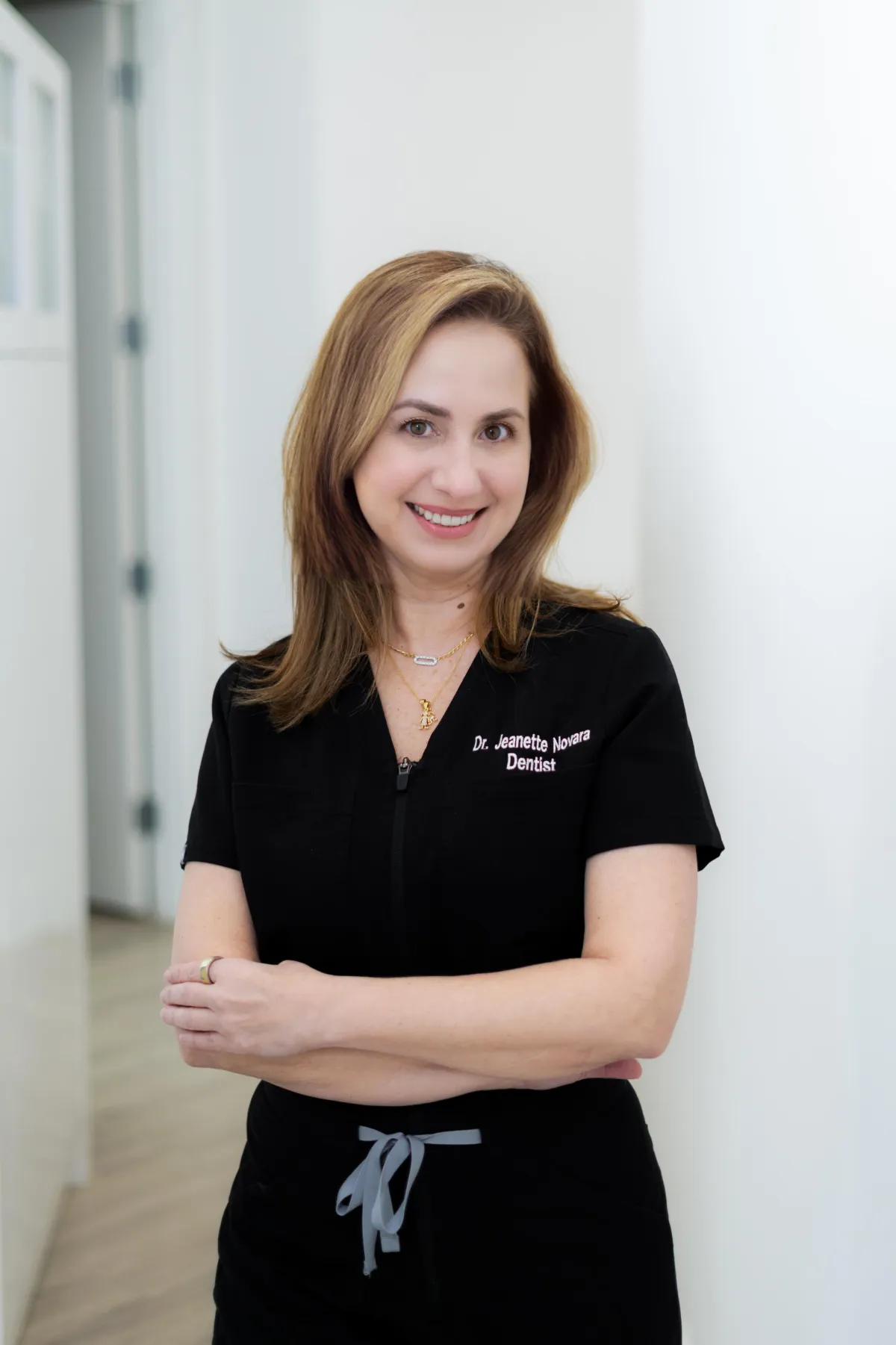
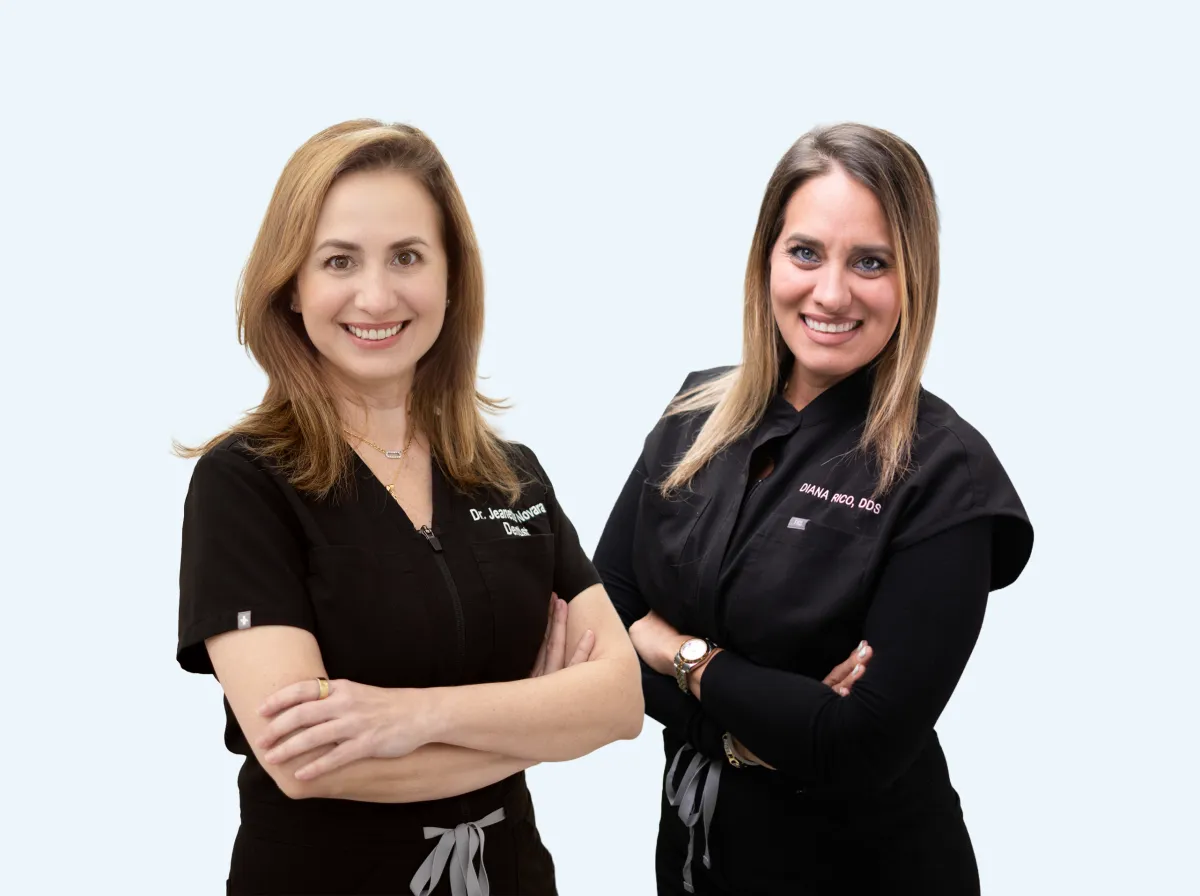
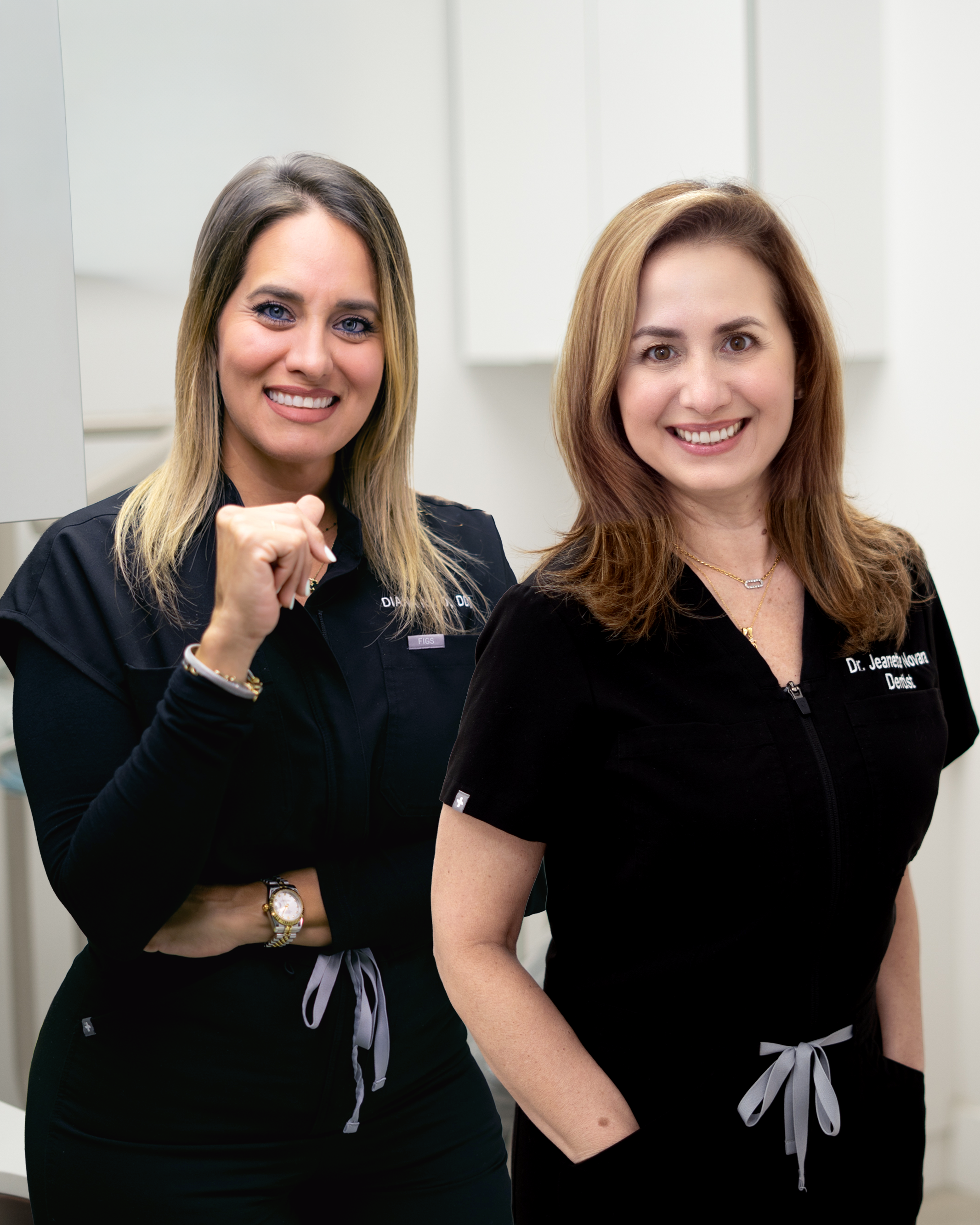
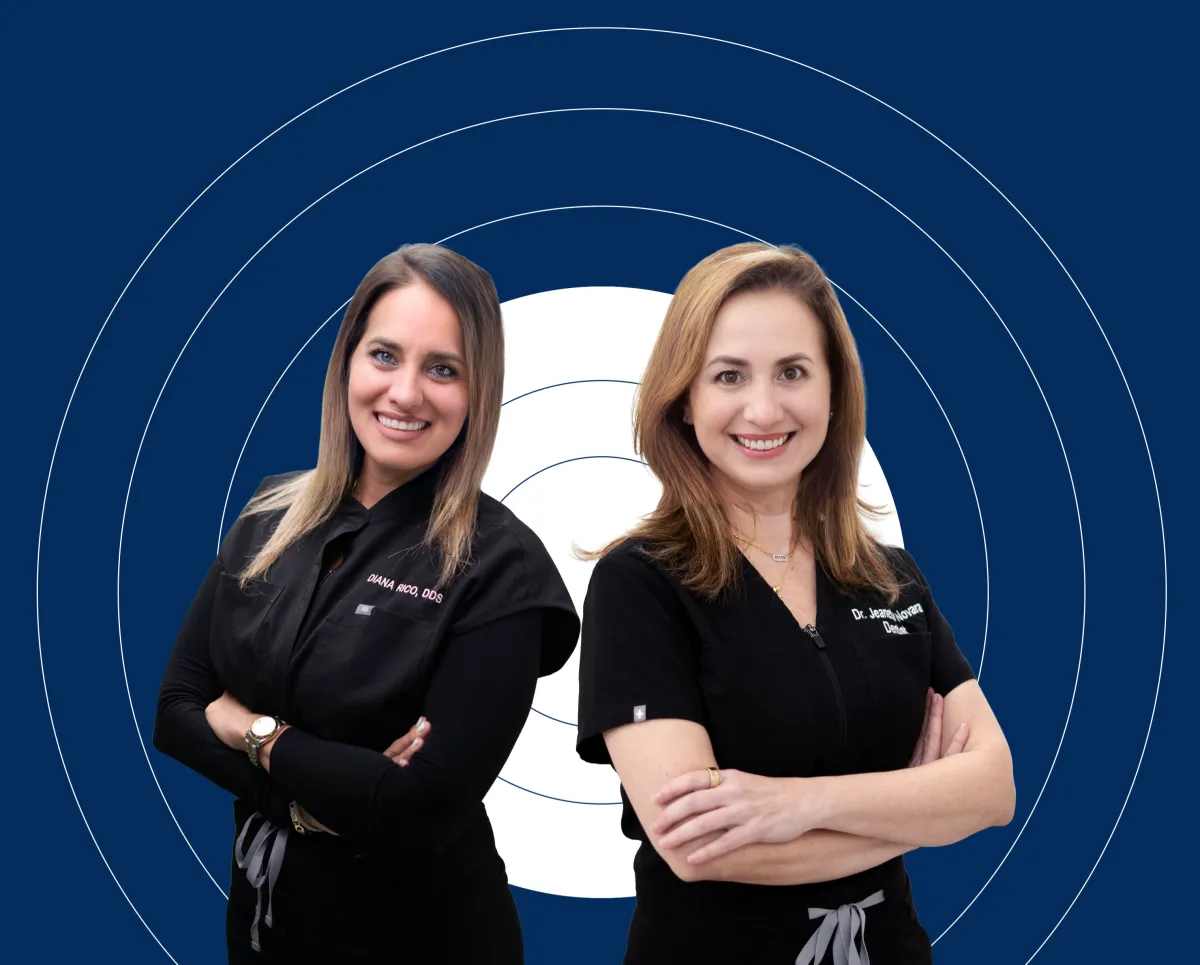
Dr. Jeanette Novara
DMD
Dr. Jeanette Novara is a dentist who moved to South Florida in 2002. As a dentist who did her professional training in Venezuela and in Florida, she has received an intense and rich clinical experience in a fully bilingual setting with a multicultural background over the last 15 years.
After obtaining her doctoral degree, at Universidad Central de Venezuela she further enhanced her skills with a post-doctoral degree in Orthodontics and a two year advanced education in General Dentistry degree at Miami- Dade County Research Clinic affiliated with Nova Southeastern University located at Lindsey Hopkings Technical Institute in Miami, Florida.
Dr. Novara has acquired advanced experience in every aspect of Dentistry including Restorative, Endodontics, Periodontics, Pediatric, Oral Surgery, Prosthodontics, Implants as well as Orthodontics. In addition, Dr. Novara stays current with the most cutting-edge advancements in the field as an active member of the American Dental Association, Florida Dental Association, Miami-Dade Dental Society and World Federation of Orthodontists. Volunteering her time and expertise, Dr. Novara provides dental treatment to the underserved population of Miami-Dade County through the Community Smiles Dental Clinic at Jackson Memorial Hospital. Her personal mission is to combine quality of dental work with positive patient rapport and team work.
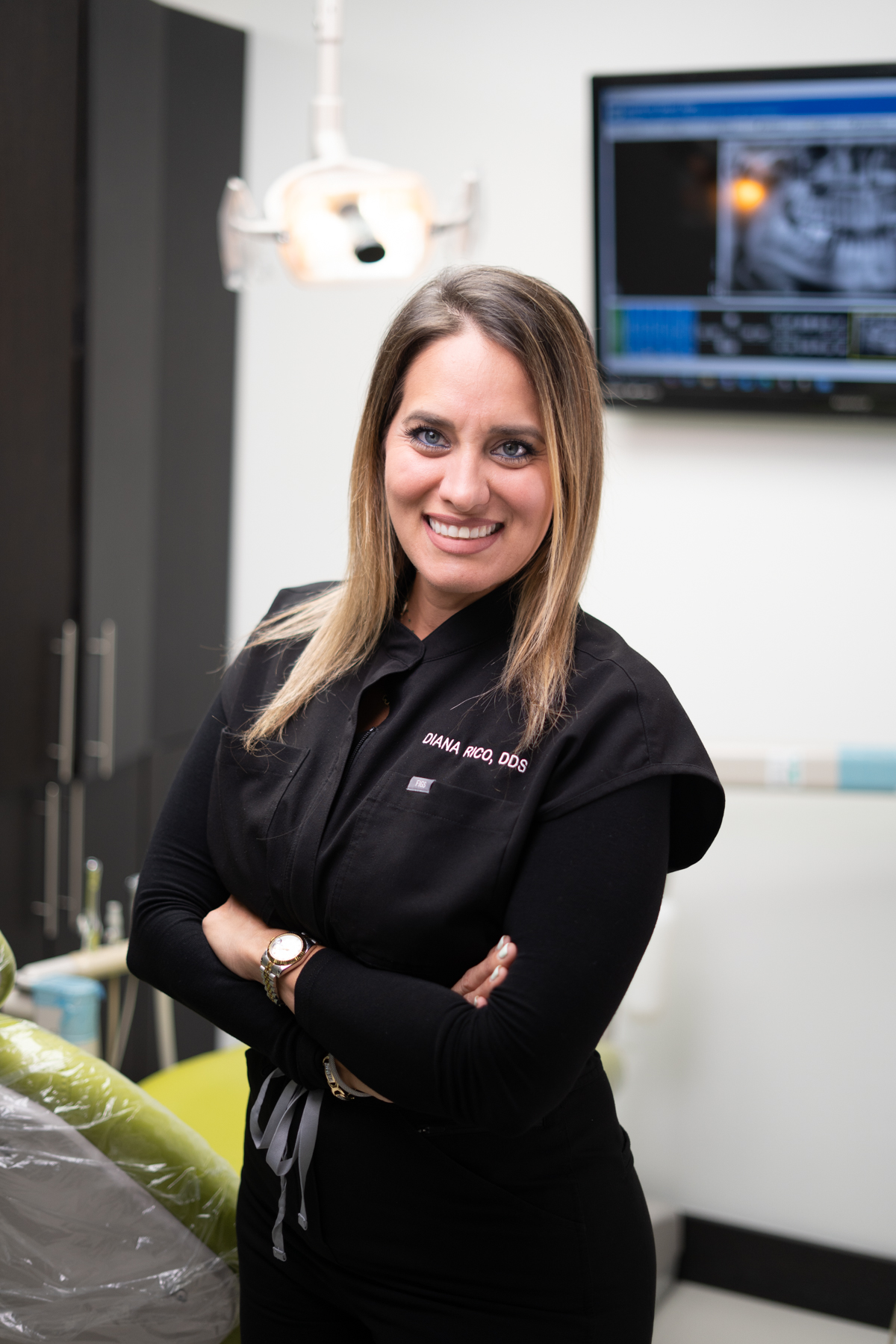
Dr. Diana Rico
DDS
Dr. Diana Rico has earned her degree in Dentistry from the University Gran Mariscal de Ayacucho, Venezuela. She later on completed a post-graduate degree, two year program in Advance Educational in General Dentistry at Miami-Dade County Research Clinic, Community Smiles at Lindsay Hopkings Technical Institute in Miami, Florida.
Dr. Diana Rico, DDS has over ten years of experience working in the dentistry field. Dr. Rico has completed many hours of post-graduate training with the goal of providing her patients with the best and latest technologies in the dental field. In her office.
Dr. Rico offers a full range of dental services including; cosmetics, implants, crowns and bridges, non-surgical periodontal treatment, braces treatments, dentures, root canals and more. Provides volunteer dental treatment to needy people of the county of Miami-Dade through the Community Smiles Dental Clinic at Jackson Memorial Hospital.
Patient Experiences, Inspiring Stories, and Our Successes
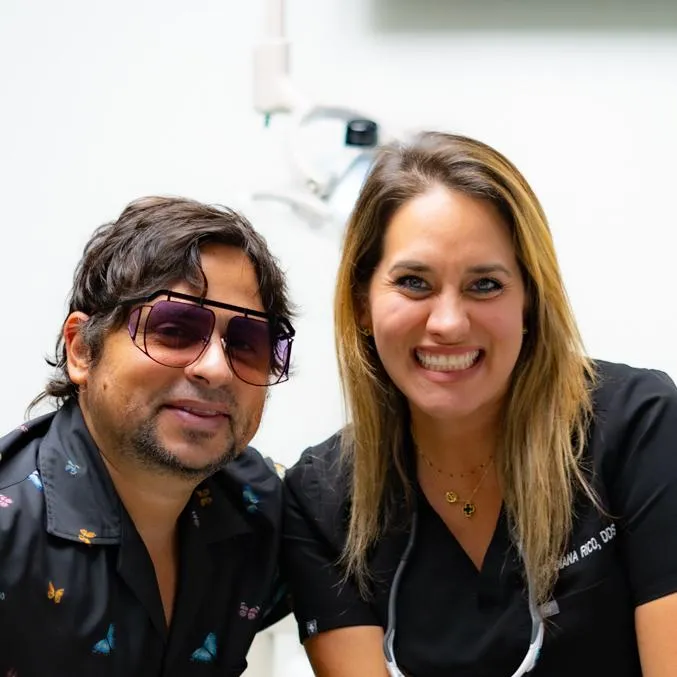
Best Treatment
I’m truly grateful for the exceptional service and highly recommend them to anyone seeking the best treatment!
How It Work
It’s well-known that users focus on content rather than design when engaging with a page.

Request Your Appointment
Click “Request Appointment” and our team will contact you to organize the best available day and time

New Patient $85 Special
If you’re a new patient, payment is required to reserve your appointment and secure your space in our schedule.

Team Confirmation
After your request or payment, our team will contact you within 24–48 hours to confirm your visit details.

Comfortable Dental Care
Receive personalized, gentle treatment focused on long-term oral health and confident smiles.
MON................ 9:00 AM – 6:00 PM
TUE..................10:00 AM – 7:00 PM
WED.................9:00 AM – 6:00 PM
THU.................10:00 AM – 7:00 PM
FRI................... 8:00 AM – 3:00 PM
We open one Saturday a month
SUN..................................... CLOSED
25+
Years
Experience
Meet Our Dentists
Our experienced bilingual dentists combine advanced training with a gentle, patient-first approach to deliver high-quality care for the entire family.
Comprehensive Care Under One Roof
Family & Preventive Dentistry
Cosmetic Dentistry & Smile Design
Dental Implants & Restorative Care
Emergency Dental Care
Orthodontics & Clear Aligners
Root Canal & Gum Treatments
Frequently Asked Questions
Find quick answers to common questions about our services, pricing, and booking process.
Do you accept dental insurance?
Yes. We accept most PPO dental insurance plans. Benefits vary by plan, so our team will verify your coverage and provide an estimate before treatment.
Please note: We do not accept HMO plans, Medicaid, or Medicare dental at this time.
If you’d like, submit your appointment request and include your insurance provider, member ID, and date of birth — and we’ll confirm your benefits.
How much do dental procedures cost?
Every treatment is different, so we first need to evaluate your teeth and oral health. After your visit, our team will explain the exact treatment options and pricing clearly so you know what to expect.
.
What types of treatments do you offer?
We provide family, cosmetic, restorative, and emergency dentistry, including cleanings, fillings, crowns, veneers, implants, and more. Our doctors create a personalized treatment plan based on your needs.
How do I book my appointment?
For a regular appointment, click “Book Appointment”, complete the form, and submit your request. Our team will contact you to confirm the best day and time based on availability.
For new patients who want the $85 New Patient Promotion, please click the $85 Promotion button and complete the payment first. This secures your special promotional spot in our calendar. After payment, our team will contact you to finalize your appointment details.
Can I cancel my appointment?
We kindly ask patients to keep their scheduled appointments, as each visit reserves dedicated time with our team.
If you need to make changes, please contact our office as soon as possible. Our team will assist you based on availability.
For $85 New Patient Promotion appointments, payment secures a reserved promotional spot in our calendar. These appointments are not canceled and can only be rescheduled when necessary, according to our scheduling policy.
Why Patients Choose Doral Family Dental in Doral, FL
Take a quick tour of our Doral dental clinic and see why families trust us for preventive, cosmetic, and restorative dental care.





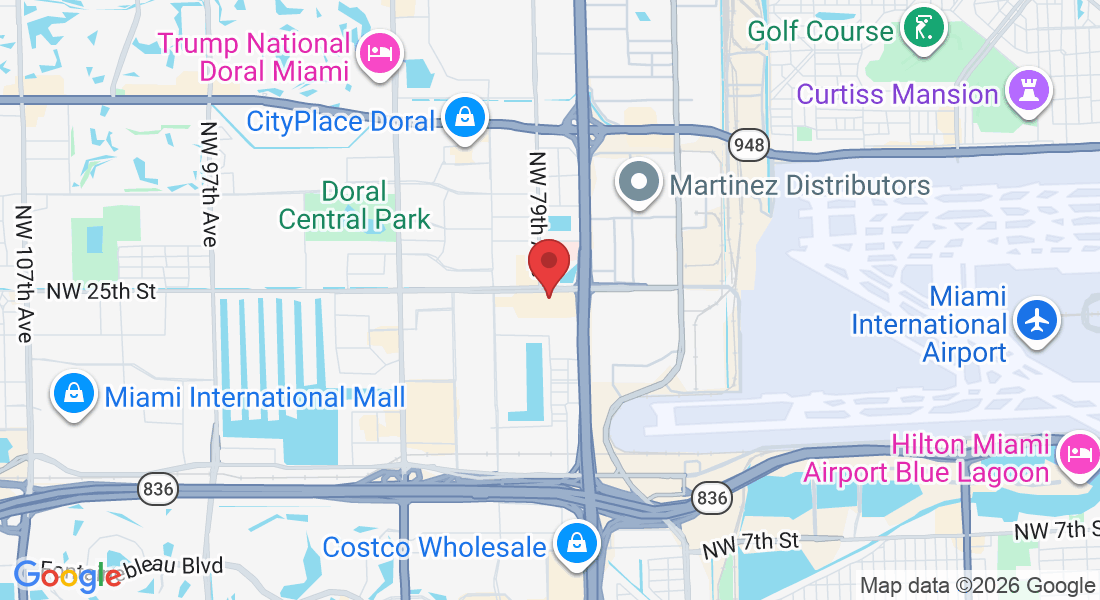
Address
7800 NW 25th St, Suite 11
Doral, FL 33122

Call Us
(305) 596-7734

Send us an email

Opening Hours
Mon: 9:00 AM – 6:00 PM
Tue: 10:00 AM – 9:00 PM
Wed: 9:00 AM – 6:00 PM
Thu: 10:00 AM – 6:00 PM
Fri: 9:00 AM – 3:00 PM
We open one Saturday a month
Sun: Closed
Get in Touch with us
We’re here to help anytime

Call Us

Mail Us

Opening Time
Mon -Sat: 7:00 - 17:00
Providing trusted family dental care in Doral, FL.
Our bilingual team offers preventive, cosmetic, and restorative dentistry focused on comfort, honesty, and healthy smiles.
Our Services
Family Dentistry
Cosmetic Dentistry
Dental Implants
Emergency Dental Care
Teeth Cleaning
QUICK LINKS
About Us
Our Services
Meet the Doctors
FAQs
Book Appointment


© Copyright 2026 Doral Family Dental. All Rights Reserved.